ESSENTIAL QUESTION:
How does the First March on Selma reflect the strength of the Civil Rights Movement?
CONTEXT:
On March 7, 1965, the first of a series of three protest marches demanding voting rights for African Americans took place in Selma, Alabama. The three marches were to go from Selma to Montgomery (the capital of Alabama), a 54 miles trek. The marches were organized by non-violent groups and were part of the larger civil rights movement to guarantee voting rights for African Americans, who had been denied voting rights through various means for decades.
On March 7, 1965, the marchers were ordered by local authorities not to cross the Edmund Pettus Bridge in Selma. The non-violent march continued and police rushed the crowd with batons and tear gas. The march was televised and led to a national call for voting rights legislation. On August 6, 1965, Congress passed the Voting Rights Act of 1965.
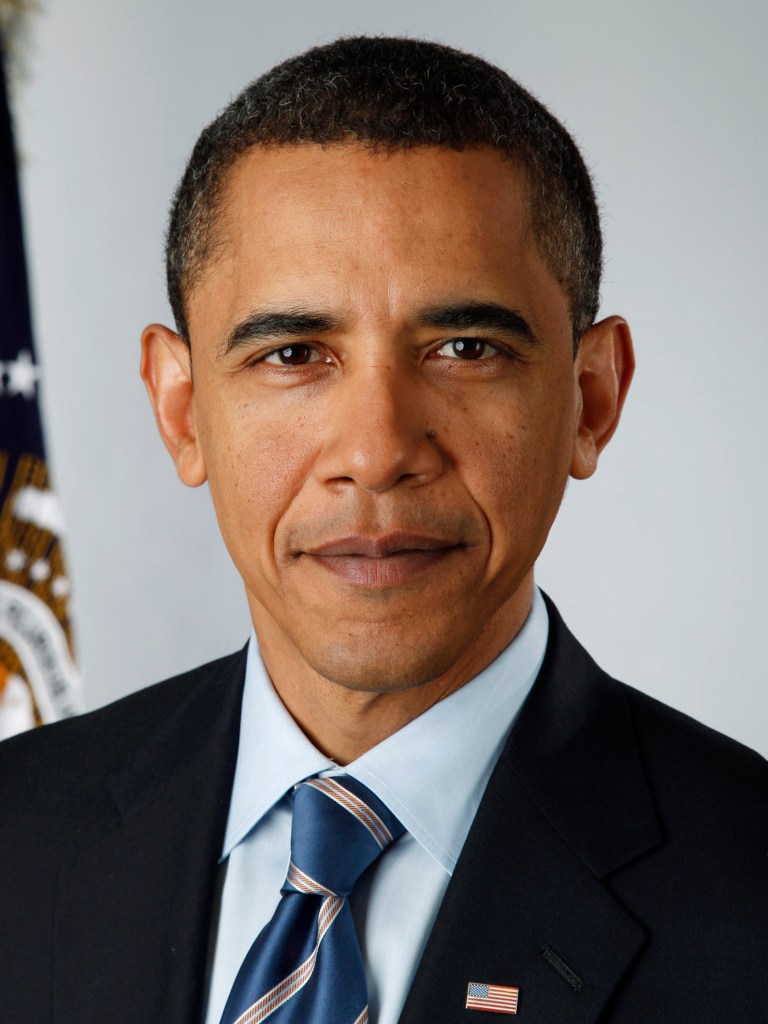
On the 50th anniversary of the March, in 2015, President Obama and his family joined many at the same bridge to commemorate the March of 1965. This text is taken from his speech on that occasion.
TEXT:
It is a rare honor in this life to follow one of your heroes. And John Lewis is one of my heroes.
Now, I have to imagine that when a younger John Lewis woke up that morning 50 years ago and made his way to Brown Chapel, heroics were not on his mind. A day like this was not on his mind. Young folks with bedrolls and backpacks were milling about. Veterans of the movement trained newcomers in the tactics of non-violence; the right way to protect yourself when attacked. A doctor described what tear gas does to the body, while marchers scribbled down instructions for contacting their loved ones. The air was thick with doubt, anticipation and fear…
As John noted, there are places and moments in America where this nation’s destiny has been decided. Many are sites of war — Concord and Lexington, Appomattox, Gettysburg. Others are sites that symbolize the daring of America’s character — Independence Hall and Seneca Falls, Kitty Hawk and Cape Canaveral.
Selma is such a place. In one afternoon 50 years ago, so much of our turbulent history — the stain of slavery and anguish of civil war; the yoke of segregation and tyranny of Jim Crow; the death of four little girls in Birmingham; and the dream of a Baptist preacher — all that history met on this bridge.
It was not a clash of armies, but a clash of wills; a contest to determine the true meaning of America…
INQUIRY:
- Obama uses the word “hero” in the first sentence. How does this image bring the speech to a personal level?
- In the next paragraph, Obama includes both “veterans of the movement” and “young folks.” How does this contribute to the description of the original march? Why is it important to know what types of people were part of the original march?
- What is the effect of a doctor describing what tear gas does to the body?
- Why were some marchers writing instructions for contracting their loved ones? What does this say about their expectations of the march?
- In the next paragraph Obama lists times when “the nation’s destiny has been decided” and “sites that symbolize the daring of America’s character”. How does this contribute to the importance of his subject and how does he connect these events to Selma?
- In the second sentence of the fourth paragraph Obama lists elements of American history. What are these elements? Why does he list them this way? How does this explain the significance of the events on the Pettus Bridge?
- In the last paragraph Obama deemphasizes the military response but instead emphasizes “a clash of wills.” How does this characterize and emphasize the importance of the Selma March?
- For what would you be willing to protest if you believed it could result in physical harm? What are other ways of protesting?
ADDITIONAL RESOURCES:
https://www.archives.gov/research/african-americans/vote/selma-marches
 Read Closely